
About
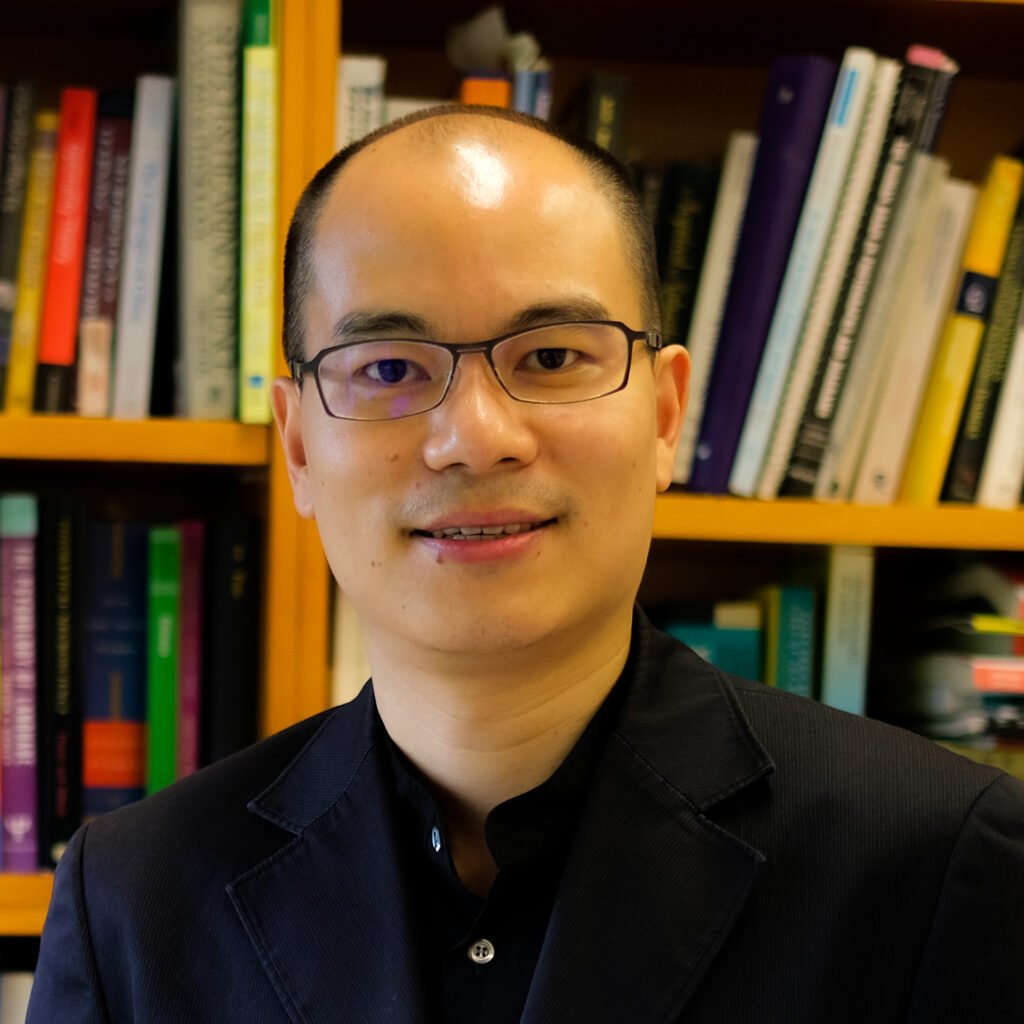
Patrick C M Wong
The Chinese University of Hong Kong
Main areas of research
- Language learning
- Neurolinguistics
- Speech processing
- Communication disorders
- Language and genetics
- Auditory neuroscience
- Music cognition
Bio
Patrick C. M. Wong conducts research centering on cultural and biological factors that lead to variation in language and cognition across individuals. From imaging the brains of infants and older adults, to perceptual psychophysics, grammar learning, gene sequencing, and developing processes to forecast developmental changes, his research is fundamentally interdisciplinary. The emphasis on individual variation in brain and behavior provides an opportunity for translational research that has the potential to bring changes in educational outcome and quality of life of children and adults as individuals. Wong joined The Chinese University of Hong Kong (CUHK) in 2013 as a professor of linguistics and cognitive neuroscience, after serving on the faculty of Northwestern University for nearly a decade. He is Founding Director of the Brain and Mind Institute, Associate Vice President (Research), and a four-time recipient of the Faculty Outstanding Teaching Award at CUHK. He was named a Guggenheim Fellow in 2021. His invention, trademarked Precision Listening®, was awarded a jury Gold Medal at the 48th Geneva International Exhibition of Inventions. In 2026, his team was awarded an Areas of Excellence project by the Research Grants Council of Hong Kong to develop personalized interventions for children in low-resource settings.
Keynote Lecture
Forecasting Spoken Language Development
Language neuroscience can make important contributions to the broader agenda of precision medicine by capitalizing on what we know about the neurobiology of language learning to improve the precision of detection and intervention of language-related neurodevelopmental conditions. In this presentation, I report findings from a series of studies in which we use neural data (MRI or EEG) collected as early as infancy to construct predictive models to forecast language developmental outcomes at the individual child level. These studies include data from preterm and term-born infants, cochlear implant candidates, and children with a confirmed diagnosis or are at elevated likelihood of autism. Our results show that predictive models using neural data to forecast language developmental outcomes often outperform those that use standard clinical and demographic measures as predictors (e.g., gestational age, birth weight, socioeconomic status, Ages & Stages Questionnaires). In some cases, we have sufficient data to validate the models using unseen data or to evaluate the models’ generalization to cross-site and cross-language data. Besides their potential clinical applications, our neural predictive models also provide opportunities to address more basic questions about the neurobiology of language. For example, we ask whether cortical and subcortical development interacts with native and non-native speech processing in infancy, and whether this interaction forms the basis of spoken language development. In children who are hearing impaired, we examine whether brain regions that are resilient to reduced auditory/spoken language input are those that promote spoken language when hearing is facilitated by cochlear implantation. In both typical and atypical populations, we are in the process of testing whether individual-child predictions can inform the design and prescription of different types of early intervention and enhancement strategies so that language development can be optimized for all children.