About
Language Disorders 2026 Online SPECIAL Session on LANGUAGE DISORDERs CORPORA
Co-organised by the International Linguistic Society and DELAD (Database Enterprise for LAnguage and speech Disorders)
Language disorders affect individuals across all ages and languages. While many are congenital and emerge in early childhood, others develop later in life as a result of neurological conditions, illness, or injury. Addressing this global and multilingual reality requires robust, well-documented, and ethically managed language disorder corpora.
This special session focuses on the FAIR sharing of speech disorders corpora in advancing research, clinical practice, and interdisciplinary collaboration.
Session Format
- Panel-led introduction
- Keynote lecture
- Paper presentations
- Panel discussion
Submissions are now open
Authors wishing to present in the special session should submit via the Language Disorders 2026 submission page and select the topic:
“DELAD Special Session: Language Disorder Corpora.”
About DELAD
DELAD is an international initiative dedicated to the collection, organisation, archiving, and sharing of language and speech disorders corpora. DELAD supports the scientific community by:
- Providing access to high-quality datasets
- Promoting best practices in data management and ethical use
- Supporting the long-term preservation of sensitive research materials
DELAD facilitates collaboration between researchers, infrastructure providers, and practitioners working in clinical linguistics, speech-language pathology, phonetics, and related disciplines
In association with
Keynote Speaker
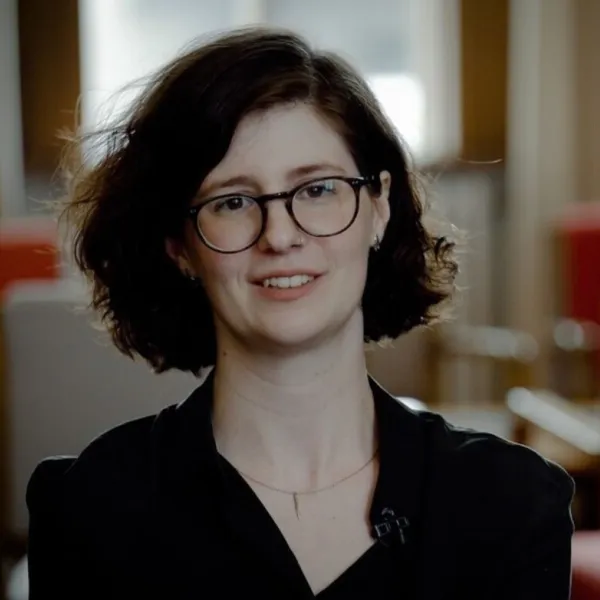
Language Disorders 2026 OnlineIris Edda Nowenstein
University of Iceland
Main areas of research
- Language acquisition and development
- Second language learning and bilingualism
- Memory and language learning
- Language in digital environments
- Speech and language difficulties in education
- Language technology in learning and teaching
Bio
My primary research interests are language acquisition and language loss. I want to know how children learn language and how adults sometimes lose language. I also investigate the way in which these mechanisms shape language variation and change, particularly in the context of Icelandic case marking.
My current focus is on the memory-language interface in acquisition and aging, with the aim of ultimately contributing to work on developmental language disorders and language difficulties in dementia. I am also involved in various efforts to ensure that people in smaller language communities have access to digital health resources which are based on language technology, e.g. automatic speech and language analysis for the diagnosis and monitoring of neurodegenerative diseases. From October 2024 to May 2025, I am a Fulbright visiting scholar at the University of Pennsylvania (research leave as a postdoc).
Keynote Lecture
TBA
Topics of interest
Contributions and discussion topics may include, but are not limited to:
- Design and annotation of language disorder corpora
- Ethical, legal, and governance issues in clinical language data
- National and international initiatives to collect and share speech disorders corpora
- Reuse and interoperability of corpora
- Clinical and research applications of disorder corpora
- Linking corpora with neuroimaging, behavioural, and longitudinal data
Who should attend
This session is relevant to:
- Researchers working on language and speech disorders
- Clinicians and speech-language pathologists
- Corpus linguists and phoneticians
- Cognitive scientists and neuroscientists
- Researchers involved in data infrastructure, archiving, and research ethics
- Data stewards interested in sensitive language data
Further details, including the session theme, panel, and full schedule, will be announced shortly.