
About
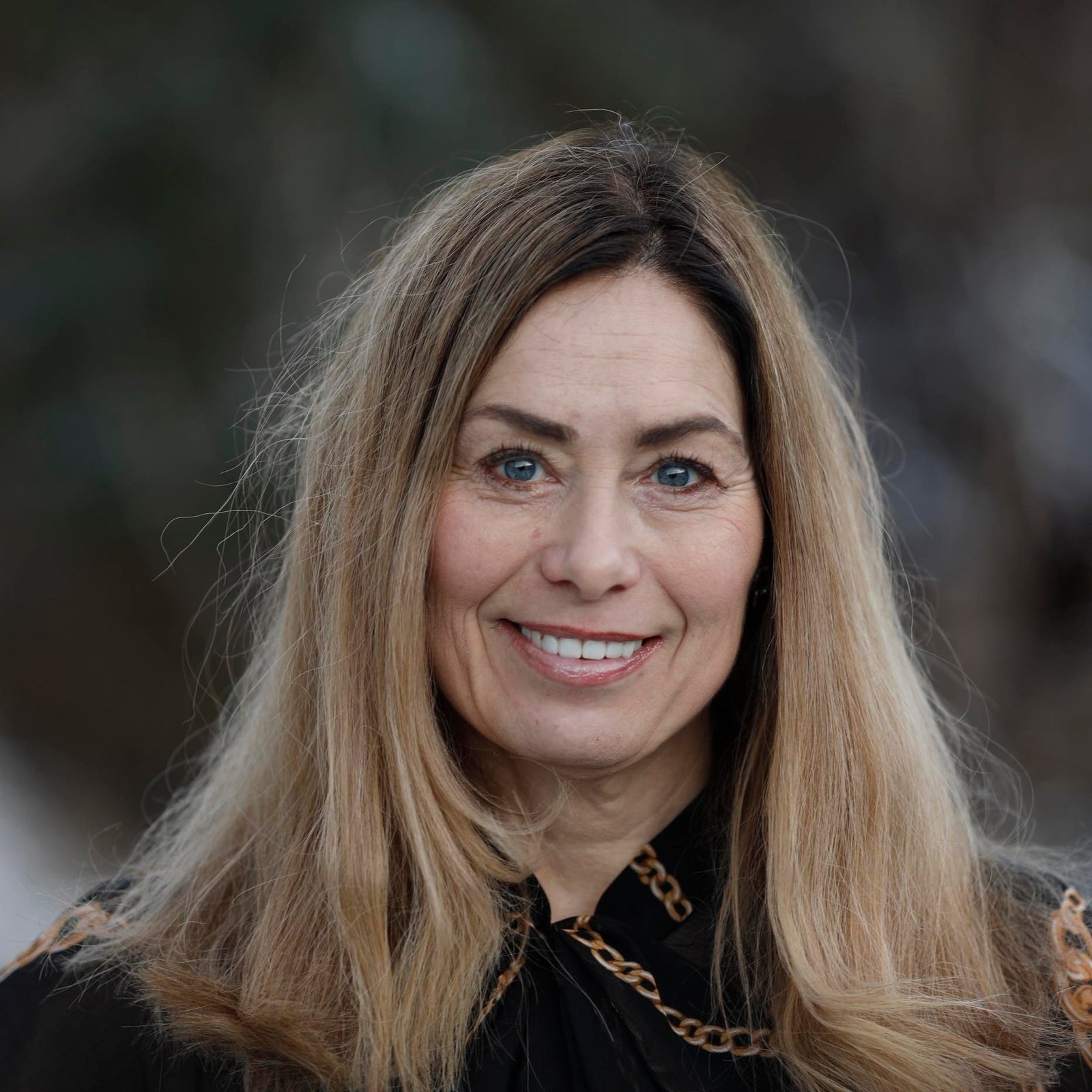
Monica Melby-Lervåg
University of Oslo
Research Areas:
- Psycholinguistics and language development
- Dyslexia and language impairments
- Reading and literacy acquisition
- Cognitive mechanisms in language processing
Bio
Monica Melby-Lervåg is a Professor at the Department of Special Needs Education at the University of Oslo. Her research focuses on children’s language, literacy and cognitive development, with a particular interest in understanding what shapes developmental trajectories and whether they can be changed through targeted intervention. She has a long-standing interest in intervention research and the use of meta-analysis to evaluate the effectiveness of educational programmes.
Academic Interests
My research is mainly focused on language and reading development in children with dyslexia, specific language difficulties and children with minority language.
Area of the particular interest includes educational psychological counseling and evaluation in relation to the aforementioned group, which is reflected in my research work.
I also have a special interest in quantitative methods where meta-analyses and experiments are my main fields.
From First Words to Fluency: Understanding and Influencing Language Development
Outline
Language is one of the most remarkable things a human being ever does, and understanding why some trajectories diverge and whether they can be redirected is the core of this talk.
This keynote draws on research into how language develops in young children. The first part tackles a deceptively fundamental question: what is language, developmentally speaking? In our longitudinal studies, we examine its dimensionality throughout development: how components such as vocabulary, grammar, and phonological awareness relate to each other, and whether that structure shifts as children grow. We then look at what drives variation in developmental trajectories, drawing on data that separates the contributions of genetic and environmental factors and how these interact over time.
These questions set the stage for the talk’s central challenge: malleability. Our intervention studies involving intensive, targeted training programs suggest that some aspects of language are more responsive to intervention than others. Specific skills can be moved; broader language competence is harder to shift. The distinction matters enormously for how we design.
The talk closes by outlining what this body of work leaves open and the directions future research needs to take — from longer follow-up windows and stronger causal designs to a sharper framework for what it means to support language development that genuinely lasts.